







Search Results for: taste profile
Guatemala New Oriente Region SL28 Honey Process Coffee: Guayabo Estate Roast Profile and Flavor Review
SL28, a legendary variety originating from Kenya, has now crossed the Atlantic to take root in the New Oriente region of Guatemala in Central America. Front Street Coffee presents the SL28 honey-processed lot from the Guayabo (Guava Plain) estate, located at 1,675 meters in the Suchitán volcanic area and cultivated under full shade throughout. This article will present the full varietal background of SL28, the terroir characteristics of the New Oriente region, and a comparison of two roasting curves by Front Street roasters tailored to the honey-processed bean quality. Through cupping, it reveals the impact of high-heat fast roasting versus extended development time on flavor, and finally provides pour-over parameters and tasting notes. [more…]

A Complete Guide to Honduran Specialty Coffee: Terroir, Variety Characteristics, and Roasting Guide for Sherry, Lychee, and Orchid Flavors
Honduras, as an important coffee-producing country in Central America, nurtures distinctive specialty coffees thanks to its complex terrain and diverse climate conditions. From High Grown Coffee to Strictly High Grown Coffee, from the classic Bourbon and Caturra varieties to the whisky-sherry barrel fermentation process that has gained great popularity in recent years, Honduran coffee displays rich layers of flavor. In this article, Front Street Coffee will systematically sort out the core knowledge of Honduran coffee, from producing-region geography, variety classification, green bean morphology, and roasting curve design, to the cupping and brewing performance of two distinctive beans, Sherry and Lychee Orchid, helping coffee lovers gain a deeper understanding of the unique charm of this producing region and find the cup that suits their own taste. [more…]
A Complete Analysis of Arabica Coffee Bean Flavors: From Sour, Bitter, Sweet, and Mellow to the Taste Profiles of Representative Varieties by Region
The world of coffee flavors is rich and diverse, with sourness, bitterness, sweetness, and body each having their representative bean varieties. This article systematically reviews the typical producing regions of Arabica coffee beans across different flavor profiles, and introduces one by one the taste characteristics and brewing suggestions for single-origin coffees such as East Timor, Ethiopia Limu and Harar, Indonesian Mandheling, and Peru. Whether you prefer bright fruity acidity or heavy, rich bitterness, you can find the cup that suits you here. Front Street Coffee will also draw on years of roasting experience to recommend beans worth trying. [more…]

2026 Best-Selling Specialty Arabica Coffee Beans Ranking: Ten High-Value Pour-Over Beans Tested and Recommended
Faced with the dazzling array of coffee beans on the market, consumers often find it hard to judge which one truly suits their taste based on评分表 alone. Rather than repeated trial and error wasting your budget, it's better to refer to a market-tested list of popular options. This article compiles the 2026 hot-selling list of specialty Arabica coffee beans, covering ten beans with distinctive characteristics, from Ethiopia's Huakui and Yirgacheffe, to Indonesia's Mandheling, Colombia's Huila, and Yunnan small-batch and classic Italian blends, each one annotated with roast level, flavor description, and suitable brewing methods. Whether you prefer bright fruity acidity or full-bodied sweet aftertaste, you can find a cost-effective choice suitable for pour-over, cold brew, or espresso in this list. [more…]
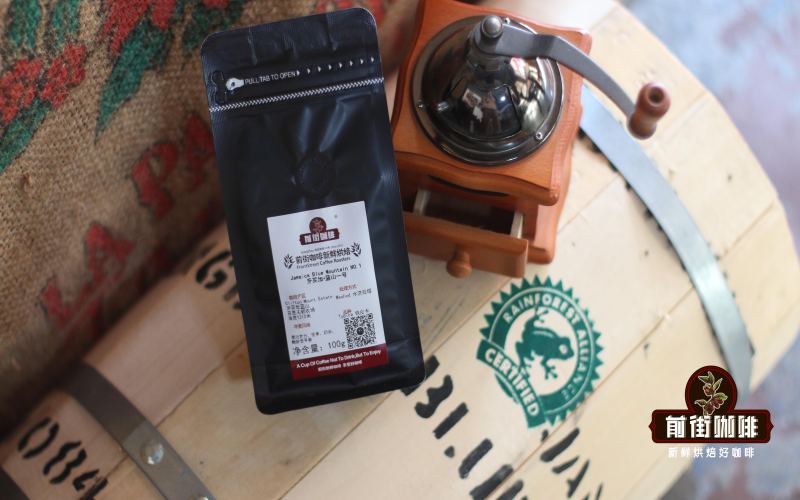
Jamaican Blue Mountain Coffee Bean Grading System and Flavor Comparison of Major Global Producing Regions with Taste Profile Analysis
Jamaican Blue Mountain coffee is hailed as a gem of the coffee world, captivating enthusiasts with its unique balance of acidity, sweetness, and bitterness, along with its rich, full-bodied flavor. This article begins with common knowledge about the varieties and grades of Jamaican specialty coffee beans, systematically introducing the flavor characteristics of Blue Mountain coffee, while comparing the taste differences among major coffee-producing regions worldwide such as Yunnan, Colombia, Brazil, Mandheling, Mocha, and Java, helping coffee lovers build a clear framework for understanding flavors. The article also incorporates Front Street Coffee's recommendations and product information for Blue Mountain coffee, providing a reference for purchasing and tasting. [more…]
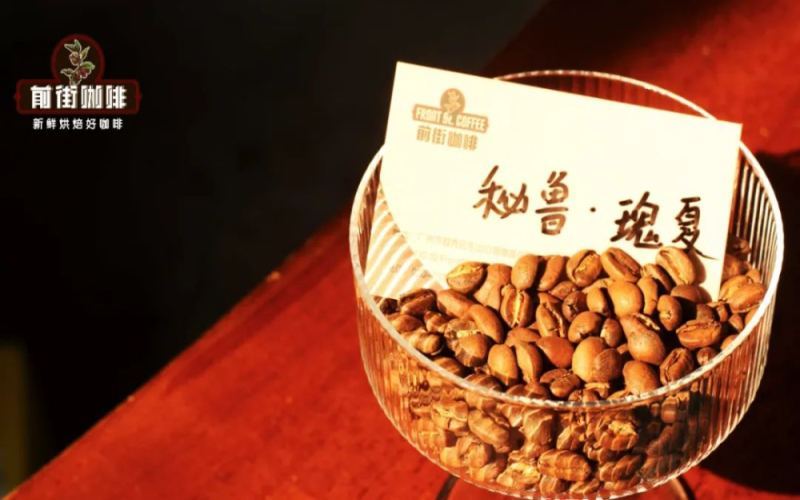
The Path to Specialty Coffee in a Low-Profile South American Origin: An Analysis of Peruvian Coffee Flavor Characteristics and Washed Processing Taste Profile
In the world coffee landscape, Peru has long remained low-key, yet thanks to its high-altitude growing conditions, rich microclimates, and predominantly washed processing methods, it has gradually become a coffee-producing region that attracts considerable attention in the specialty coffee world. This article systematically reviews Peru's coffee-producing regions, variety composition, and historical development, analyzes the reasons behind its reputation for cleanliness, gentle fruit acidity, and balanced mouthfeel, and, using a washed Geisha from the Cajamarca region as an example, presents the complete flavor expression from cupping to a three-pour hand brew, helping coffee lovers understand the core question of whether Peruvian coffee is acidic and whether it tastes good. [more…]
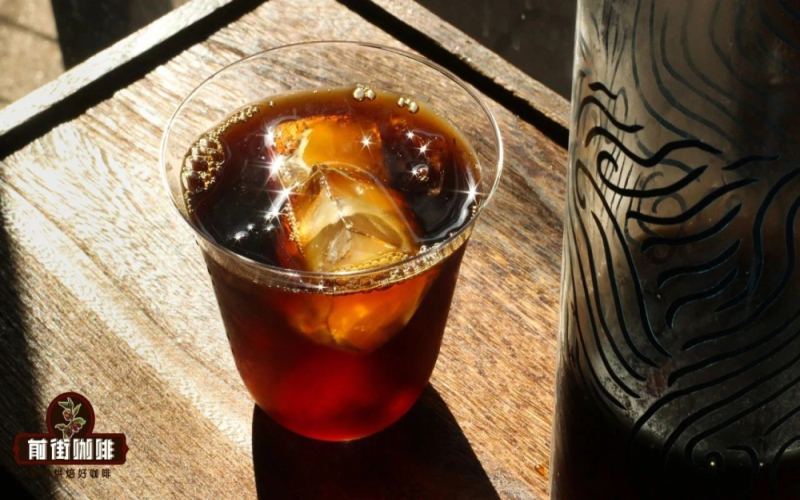
What's the Difference Between Iced Coffee and Cold Brew? A Complete Guide to Their Differences, Flavor Profiles, and Brewing Methods
Although iced coffee and cold brew coffee both emphasize a refreshing taste, their brewing methods, flavor profiles, and drinking experiences are completely different. Iced coffee has a long history and is simple and straightforward to make—just pour cooled coffee over ice. Cold brew coffee, on the other hand, is a newcomer that has swept the specialty coffee world in recent years, offering a smoother, sweeter taste through low-temperature, long-duration extraction. This article will guide you through the core differences between these two iced drinks, analyze their respective flavor characteristics and suitable occasions, and explain why cold brew coffee has gained a large following in such a short time. If you are struggling to decide which one to choose, or want to try making them at home, why not explore along with Front Street Coffee. [more…]
Sidamo Coffee Flavor Characteristics, Taste Profile, Processing Methods, and Grinding Parameters: A Comprehensive Analysis
Sidamo is a highly representative specialty coffee region in Ethiopia, and its flavors display rich variation due to the diversity of its soil, microclimates, and native varieties. This article focuses on Front Street Coffee's selected Sidamo coffee, covering its origin background, cooperative information, flavor description, taste characteristics, differences in processing methods, and roasting and grinding recommendations one by one. The article also sorts out the flavor differences brought by the two processing methods of natural and washed, as well as the respective applicable scenarios of light-medium roast and medium-dark roast, helping coffee enthusiasts gain a more comprehensive understanding of the unique charm of this region. [more…]
Authentic Americano Flavor Profile Analysis and Standard Brewing Ratio Guide
As a widely popular coffee category, Americano's taste characteristics and brewing standards have always been a focus of attention for coffee enthusiasts. This article will provide an in-depth analysis of the flavor performance that authentic Americano should have, including the balance of aroma, acidity, bitterness, and sweet aftertaste, while also clarifying the powder-to-water ratio for standard Americano. In addition, the article also compiles the flavor characteristics of several classic coffee beans under the Front Street Coffee brand, covering origins such as Blue Mountain, Mandheling, Mocha, Brazil, and Kenya, helping readers fully understand the making and tasting of Americano from bean selection to extraction ratio. [more…]
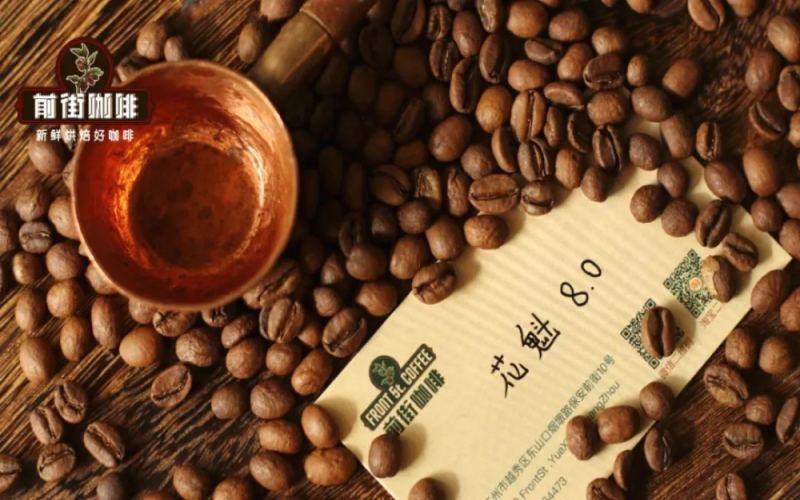
Can Huakui 8.0 Handle SOE? A Complete Practical Analysis from Extraction Parameters to Roast Profiles
The recently launched Ethiopian Huakui 8.0 from Front Street Coffee has become a daily staple for many coffee lovers thanks to its full fermented fruity aroma and the rich sweetness characteristic of natural-process beans, and it has also tempted players with home espresso machines to try their hand at recreating a cup of Huakui SOE latte or Americano. However, after many people directly applied single-origin beans to espresso extraction, they ran into disastrous results such as uncontrolled flow rate and sharp acidity. Is the problem with the equipment or the operation? Through repeated adjustments to grind size, dose, and liquid yield, and by trying two entirely new roasting curves, Front Street finally found the balance point that takes into account both the fruity aroma of the origin and the rich body of espresso. This article will present this exploration process in full, offering practical ideas for friends who love high-sweetness espresso. [more…]

American Coffee Taste | How to Drink American Black Coffee to Lose Weight? Recommendations for Low-Acidity, Non-Bitter American Coffee Beans Suitable for Moka Pots
What does Americano taste like? A friend once described it to Front Street Coffee this way: "Whatever you want it to be." Americano is a product made by diluting espresso with water; in other words, it's a drink that can be adjusted to your own [more…]
Brazil Minas Coffee Region: A Complete Guide to Pulped Natural Processing, Flavor Profile, and Variety Characteristics
Coffee produced in Brazil's Minas region has now become synonymous with the country's specialty beans. Local research institutions, responding to the relatively dry climate, developed the semi-washed process, which shortens the processing cycle while retaining the sweetness-enhancing advantages of the natural process, and at the same time avoids the unpleasant earthy flavors, making the fruity notes and sweetness more prominent. Coffee from farms around the Minas highlands ranks among the top in quality among Brazilian beans and also has the most considerable output. In recent years, coffee competitions have been subdivided by processing method, giving rise to a variety of flavor profiles, among which semi-washed and natural stand out especially. Front Street Coffee Minas Brazil is fresh and gentle on the palate, with a dry aroma carrying notes of citrus and fruit tea, a wet aroma with the fresh fragrance of black tea, a mouthfeel showing the elegant tonality of jasmine and herbal tea, and a finish like rich, full-bodied oolong tea, making it a rare and stunning work among Brazilian beans. [more…]
Yirgacheffe Washed vs. Natural Processing Methods: Flavor Profiles, Green Bean Grades, and Taste Comparison
Ethiopia's Yirgacheffe is rightly regarded as a brilliant gem of the specialty coffee world, its delicate floral aromatics and citrus notes captivating countless coffee lovers. Yet coffee beans from the same Yirgacheffe region, when processed by two different methods—washed and natural—reveal entirely distinct flavor profiles. The washed method endows the coffee with bright, lively acidity and a clean mouthfeel, while the natural method brings rich, full-bodied fruit aromas and fermented wine-like notes. This article will dissect the core differences between Front Street Coffee's washed and natural Yirgacheffe products from three dimensions: green bean processing techniques, grading standards, and final cupping flavors, helping readers make more precise judgments when purchasing and tasting. [more…]
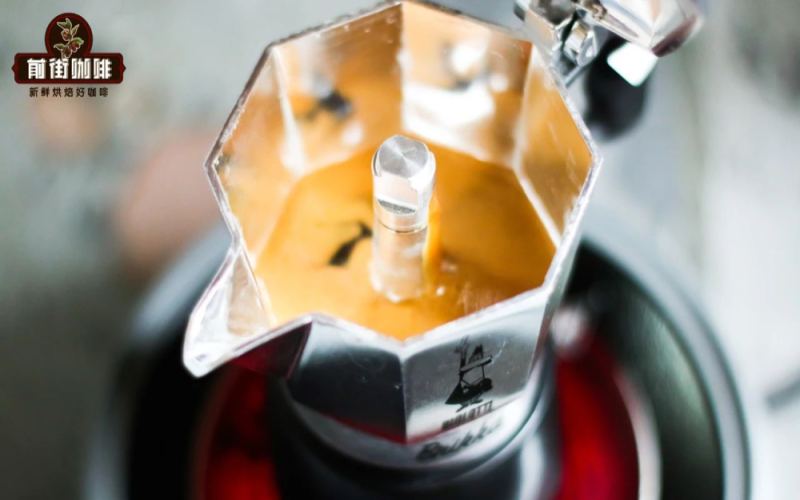
Should You Use Single-Origin or Blend in a Moka Pot? Beginner Operation Details and Four Front Street Coffee Espresso Bean Recommendations
The moka pot has a simple structure and is quick to learn, but if you want to brew a cup of coffee with rich crema and a bold taste, there are details to get right from filling the grounds and heating to choosing the beans. This article first goes over the key steps and precautions for beginners using a moka pot, then answers the question of whether to choose single-origin beans or a blend, and recommends several freshly roasted espresso blends suitable for the moka pot, including Front Street Classic Blend, Commercial Blend, Dark Cocoa Blend, and Strawberry Candy Blend, to help coffee lovers who are just starting out find beans that suit their taste. [more…]
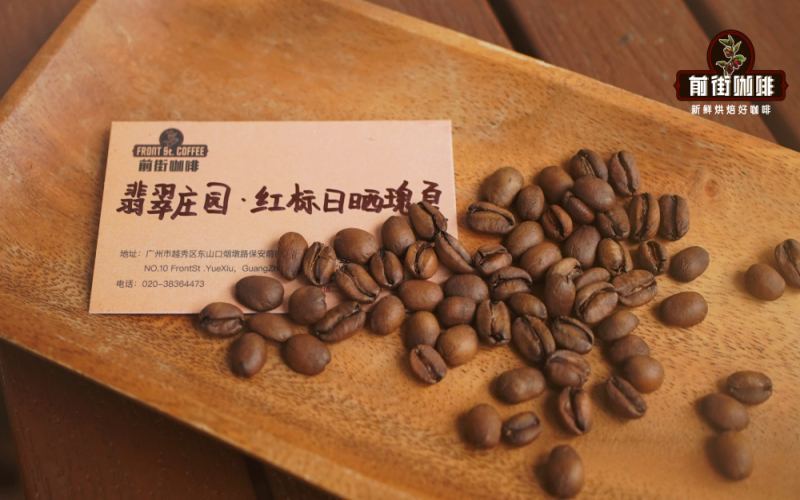
Panama Hacienda La Esmeralda Red Label Geisha Tasting: Front Street Coffee Washed Single-Origin Bean Flavor Profile and Estate History
On the specialty coffee map of Central America, Panama's Hacienda La Esmeralda is world-famous for its Geisha. In this issue, Front Street Coffee brings you a Boquete high-altitude Red Label Geisha—grown at 1,400–1,700 meters, SHB grade, washed process—which, once brewed, reveals a bright acidity reminiscent of fresh oranges, intense floral aromas, and a juicy mouthfeel, with a long, lingering finish. The article also traces the estate's century-long history, from a Swedish buyer's land purchase and an American banker's takeover, to its transformation from a beef cattle farm into a dairy farm and then its venture into coffee, helping you understand the provenance of these beans while you sip. [more…]
Ethiopian Gimma Coffee Flavor Analysis: Djimmah Region Characteristics, Taste Profile, and Brewing Suggestions
Ethiopia, as the birthplace of coffee, is home to many well-known production regions, among which the Djimma region has attracted much attention for its large output and unique flavor. Djimma coffee usually has a relatively heavy body and a wine-like finish, with moderate acidity, a full body, and a strong straw-like aroma. Djimma coffee is mostly sun-dried and is often used in coffee blends, as its clean taste and balanced flavor make it superior to other unwashed Arabica beans from Africa. This article will introduce in detail the altitude, harvest period, and flavor characteristics of the Djimma region, and, combined with Front Street Coffee's recommendations, help coffee lovers gain a comprehensive understanding of this coffee's unique charm. [more…]
Yirgacheffe Coffee Bean Flavor and Taste Profile Analysis: From Origin Traceability to a Beginner's Guide to Floral and Fruity Acidity
Yirgacheffe is one of Ethiopia's most iconic specialty coffees, renowned for its intense jasmine fragrance, citric acidity, and sweet notes of peach and almond. This article begins with the origins of its name and place of production, then analyzes the washed processing and grading standards of Yirgacheffe G1, sorts through its dry aroma tasting, flavor layers, and the sweet potato finish that emerges as the cup cools, and looks back at how it broke the conventional definition of coffee flavor during the era of heavy Italian-style roasting, becoming the benchmark entry point for floral and fruity coffees. It also discusses the price gap between it and Blue Mountain and Geisha, as well as the unique charm of this bean in everyday brewing as recommended by Front Street Coffee. [more…]
Tanzanian Coffee Regions, Flavors, and Grading System: An Analysis of the Cup Profile of Specialty Coffee Beans at the Foot of Mount Kilimanjaro
Tanzania is located in East Africa, and its core coffee-producing region sits at the foot of Mount Kilimanjaro, the highest peak in Africa. Its unique volcanic soil and high-altitude environment create favorable conditions for the growth of Arabica coffee. Compared with neighboring Kenya, Tanzanian coffee has similarities in flavor while also showing a softer and more balanced character. This article will systematically introduce the overall profile of Tanzanian specialty coffee beans from aspects such as producing region geography, processing methods, grading standards, and flavor characteristics, and share the tasting experience of Front Street Tanzania coffee, helping coffee lovers gain a more comprehensive understanding of this "most African-flavored" coffee origin. [more…]
A Complete Guide to Single-Origin Coffee: An In-Depth Review of Flavor Profiles and Signature Beans from Major Producing Regions Worldwide
Single-origin coffee refers to coffee beans from a single region that express the characteristics of their terroir. The climate, soil, and processing methods of different origins give coffee a kaleidoscope of flavor profiles. This article systematically reviews the representative beans of more than a dozen classic coffee-growing regions around the world, covering Jamaican Blue Mountain, Cuban Crystal Mountain, Colombia, Brazil, Indonesian Mandheling and Java, Costa Rica, Kenya, Ethiopian Mocha, Guatemalan Antigua, Tanzanian Kilimanjaro, Hawaiian Kona, and more. It introduces each one's taste characteristics, flavor tonality, and suitable ways to drink it, helping coffee lovers build a complete framework for understanding origin flavors. The single-origin beans recommended by Front Street Coffee are also mentioned in the article for purchasing reference. [more…]
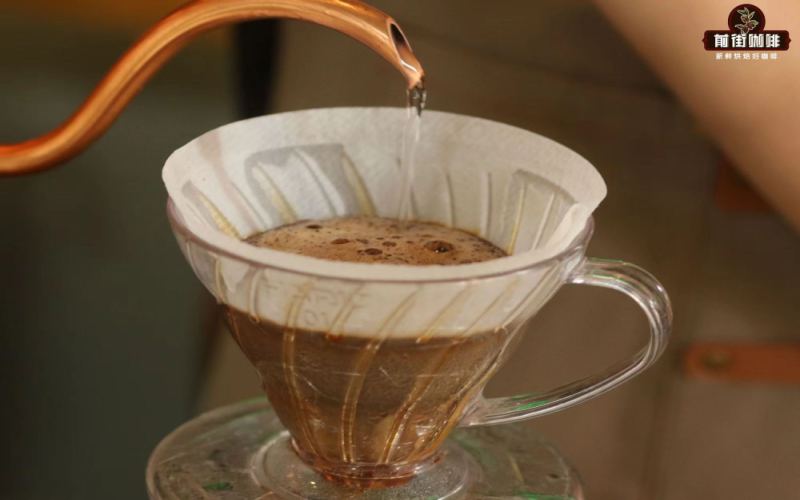
Yunnan Pour-Over Coffee Flavor Analysis: A Complete Guide to the Taste Profile and Brewing Key Points of Small-Bean Catimor
Pour-over extraction can reveal the multi-layered flavors of coffee as the temperature changes, so what would Yunnan arabica taste like when interpreted through pour-over brewing? Before brewing, let's review the variety background of Yunnan arabica with Front Street Coffee—from the reasons behind the creation of Catimor, to the terroir conditions of the Baoshan production area, and then to the clean profile brought by washed processing. This article will also provide Front Street's recommended pour-over parameters and flavor description to help you gain a more complete understanding of this Yunnan bean, which combines nutty aroma, herbal and chocolate notes, and soft acidity. [more…]